
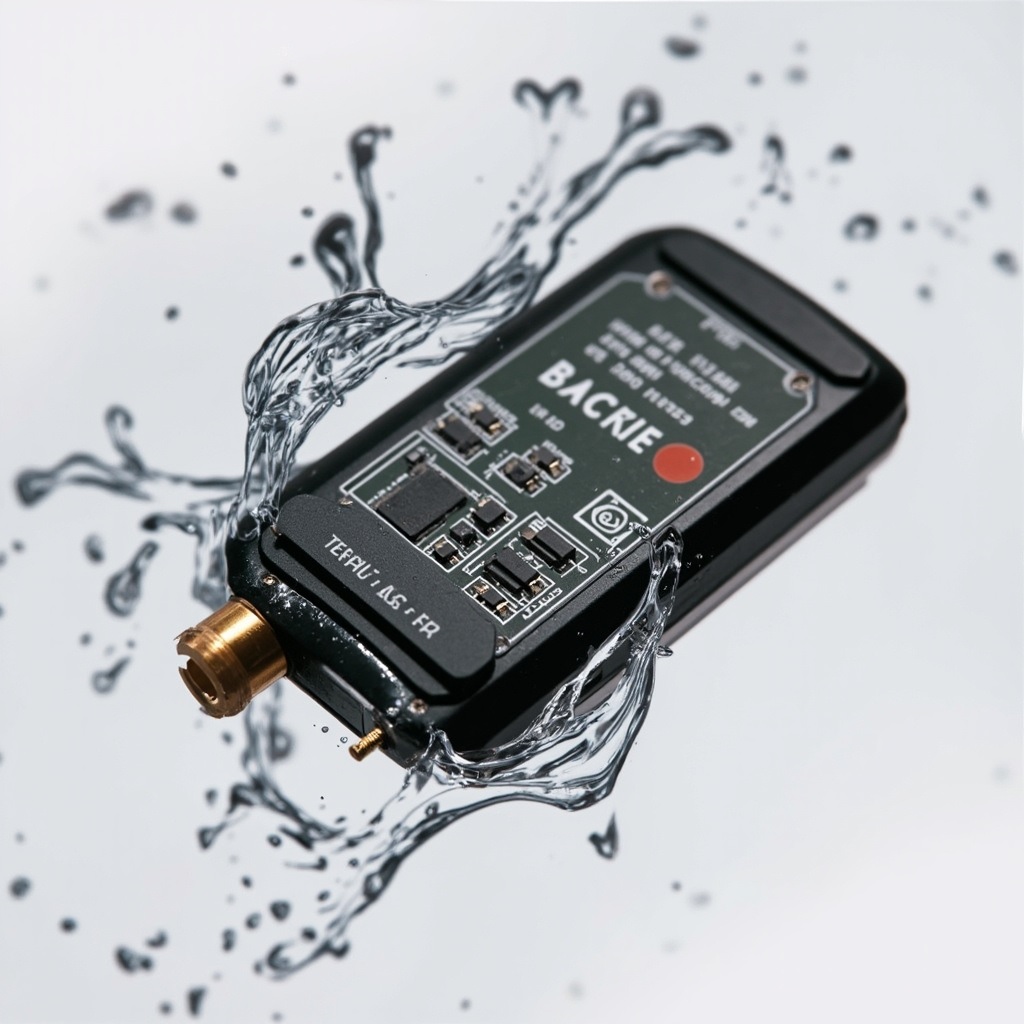
You have probably never thought about the tiny switch inside your outdoor equipment until it fails. That moment when a pressure washer stops mid-job or an outdoor sensor goes haywire after a rainstorm is exactly when you realize the importance of a component that can take a beating. This is where a waterproof micro switch manufacturer with IP67 dustproof and waterproof design becomes more than just a technical spec on a datasheet. It becomes the difference between a product that lasts years and one that dies after its first encounter with moisture.
Let me tell you something that most buyers overlook. The IP67 rating is not just a marketing badge. It means the switch has been tested to survive immersion in water up to one meter deep for thirty minutes. But here is the kicker. Not all IP67 switches are built the same. The real value comes from the manufacturer’s engineering choices. Unionwell, for instance, approaches this with a dual-layer sealing system. The first layer is a precision-molded silicone rubber boot that covers the actuator. The second layer is an epoxy seal that locks out moisture from the internal contact area. This is not a one-size-fits-all solution. It is a deliberate design to handle real-world abuse.
Now, why should you care about dustproofing? Because dust is not just dirt. It is conductive particles, metal shavings, and fine debris that can bridge electrical contacts and cause short circuits. In industrial settings, dust is a silent killer of switches. The IP67 rating guarantees complete protection against dust ingress. No particles get in. Period. That means your equipment keeps working even in sawdust-filled workshops, grain silos, or construction sites.
Here is a practical scenario. Imagine you are designing an outdoor vending machine. It sits in a parking lot, exposed to rain, snow, and the occasional hose-down for cleaning. A standard micro switch might last six months before corrosion sets in. A Unionwell IP67 switch, on the other hand, uses gold-plated contacts inside the sealed chamber. Gold does not oxidize. It does not corrode. So the electrical performance stays consistent even after thousands of actuations in wet conditions. That is the kind of reliability that saves you warranty claims and customer complaints.
But let me address the elephant in the room. Price. Yes, an IP67 switch costs more than a standard one. But here is the math. If a switch failure causes a machine to go down, you lose production time, repair costs, and possibly a customer. A few extra cents per switch is negligible compared to the cost of a field failure. Unionwell positions its IP67 switches as a cost-saving measure over the product lifecycle, not just a component purchase. They focus on high-cycle life testing, often exceeding one million operations without failure. That is not luck. That is deliberate material selection and quality control.
One more thing. If you are sourcing these switches, do not just look at the IP rating on the catalog. Ask for the test report. Ask how they achieved the seal. Ask about the temperature range. Unionwell publishes detailed specifications because they know engineers need hard data, not vague promises. Their IP67 micro switches operate reliably from minus 25 degrees Celsius to plus 85 degrees Celsius. That covers everything from freezer applications to engine compartments.
So here is my takeaway. When you choose a waterproof micro switch manufacturer with IP67 dustproof and waterproof design, you are not buying a switch. You are buying peace of mind. You are buying a guarantee that your product will survive the elements. And in a world where customers expect durability, that is the kind of detail that builds brand trust. Do not settle for a switch that might work. Choose one that is proven to work.