
A well-organized individual first aid kit can improve comfort, mobility, and preparedness during demanding activities. Choosing a lightweight and functional setup for a battle belt helps maintain balance while ensuring important medical tools remain accessible. A carefully selected kit supports quicker response times and reduces unnecessary bulk during movement.
Why Lightweight Design Matters
Heavy gear can slow movement and create discomfort over long periods. A lightweight first aid kit allows users to stay agile while carrying essential supplies.
Benefits of a Lightweight Setup
- Reduces strain on the hips and lower back
- Improves comfort during extended wear
- Helps maintain faster movement and flexibility
- Prevents overcrowding on the battle belt
- Makes gear easier to organize and access
A compact design also allows space for other essential tools without making the belt feel overloaded.
Important Features to Look For
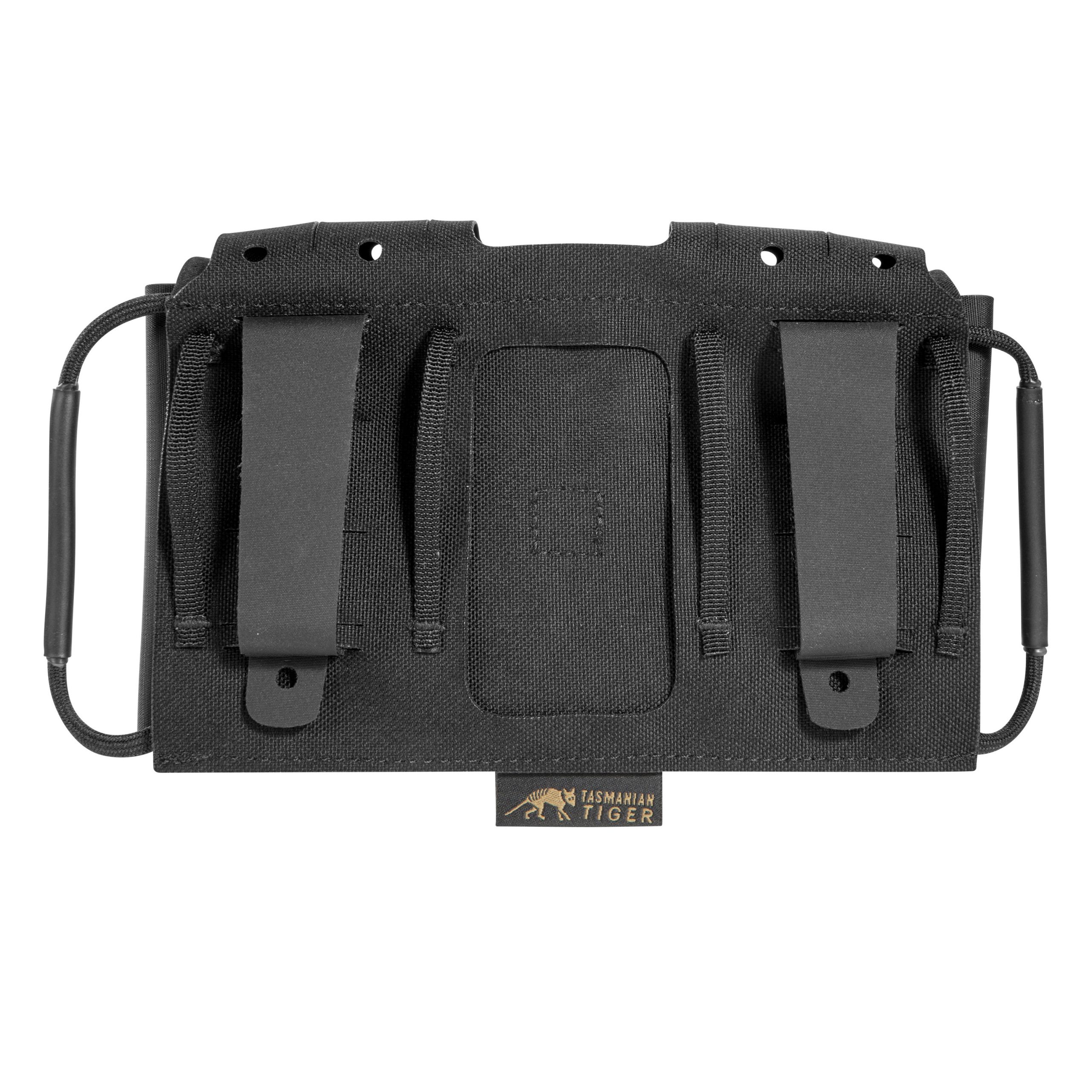
A functional first aid kit should combine durability, accessibility, and efficient storage. Choosing the right features helps improve performance in demanding situations.
Key Features to Consider
- Quick-access opening system
- Secure attachment points
- Lightweight yet strong materials
- Organized internal compartments
- Weather-resistant construction
- Adjustable retention options
- Comfortable positioning on the belt
These features create a practical setup that remains dependable during active movement.
Selecting Essential Medical Supplies
A lightweight kit should contain only useful and versatile items. Avoid over packing with unnecessary gear that adds weight without improving readiness.
Common Essentials for a Balanced Kit
- Compression bandages
- Medical gloves
- Gauze rolls and pads
- Adhesive bandages
- Trauma shears
- Antiseptic wipes
- Tourniquet
- Medical tape
- Chest seals
- Emergency blanket
Keeping supplies organized inside separate sections can improve speed and efficiency during emergencies.
Finding the Right Placement on the Belt
Proper placement plays a major battle belt ifak role in comfort and accessibility. A poorly positioned kit may interfere with movement or slow access during critical moments.
Placement Tips
- Position the kit where both hands can reach it
- Avoid placing it near bulky equipment
- Keep it stable to reduce shifting
- Test movement while wearing the full setup
- Ensure the pouch does not block seated positions
Many users prefer mounting the kit toward the rear side of the belt because it balances accessibility with comfort.
Balancing Size and Functionality
A smaller pouch does not mean sacrificing effectiveness. The goal is to carry practical tools in a smart layout rather than stuffing the pouch with excessive items.
Ways to Maintain Functionality
- Use compact medical supplies
- Remove duplicate items
- Prioritize multi-use tools
- Store frequently used items near the opening
- Regularly inspect and refresh supplies
A clean and organized arrangement improves confidence and reduces wasted time during emergencies.
Maintaining Your Fiat over Time
Regular maintenance keeps the kit reliable and ready for use. Even lightweight setups require routine checks to ensure everything remains secure and functional.
Simple Maintenance Habits
- Replace expired supplies
- Check attachment straps regularly
- Clean the pouch after outdoor use
- Repack items neatly after inspections
- Test accessibility while wearing gloves
A lightweight and functional individual first aid kit can greatly improve battle belt efficiency. By focusing on comfort, smart organization, and essential supplies, users can build a dependable setup that supports mobility and preparedness without unnecessary weight.