
Month: September 2026

Stylish Portable Structures Enhance Properties With Valuable Additional Space

Portable structures offer a practical way to create additional space while maintaining an attractive outdoor appearance. Their flexible designs can support storage, hobbies, work areas, recreation, and relaxation, giving property owners an adaptable solution that combines convenience with visual appeal.

Flexible Space For Everyday Needs

A portable structure can serve different purposes depending on how its interior is arranged. Thoughtful planning allows one building to accommodate changing requirements while keeping belongings and activities organized.

  • Creates additional storage capacity
  • Provides space for hobbies and creative activities
  • Supports dedicated work areas
  • Accommodates seasonal equipment
  • Offers room for recreational belongings

Attractive Designs Complement Properties

Stylish exterior features can help portable structures blend naturally with surrounding outdoor spaces. Balanced proportions, appealing finishes, and carefully selected details create an inviting appearance while maintaining practical functionality.

  • Adds visual interest to outdoor areas
  • Supports a clean and organized appearance
  • Complements existing property features
  • Offers attractive finishing possibilities
  • Creates a polished structural presence

Convenient Portable Construction

Portability provides flexibility when outdoor space requirements change. A structure designed for practical movement can offer useful space without making the arrangement feel permanently fixed, supporting future changes in property use.

  • Allows flexible placement options
  • Supports changing outdoor arrangements
  • Provides practical additional space
  • Makes future planning more adaptable
  • Encourages efficient use of available areas

Organized Storage Solutions

Portable structures can transform unused outdoor sections into efficient storage areas. Shelving, hooks, cabinets, and open floor sections can help keep equipment organized and make everyday belongings easier to access.

  • Keeps gardening equipment together
  • Provides space for seasonal items
  • Organizes recreational equipment
  • Supports convenient tool storage
  • Keeps frequently used belongings accessible

Dedicated Hobby And Work Areas

A portable structure can become a comfortable environment for focused activities. With suitable lighting, furniture, and storage, the interior can support creative hobbies, personal projects, study, or practical work.

  • Creates a dedicated project environment
  • Provides room for organized supplies
  • Supports creative personal activities
  • Accommodates useful work surfaces
  • Helps separate activities from household spaces

Adaptable Features For Long-Term Use

Versatile structures can be planned around present requirements while allowing room for future changes. Flexible interiors and multipurpose layouts make it easier to adjust the space as storage and activity needs evolve.

  • Supports multiple interior arrangements
  • Accommodates belongings of different sizes
  • Provides room for future storage
  • Allows furniture to be rearranged
  • Encourages continued practical use

Choosing A Stylish Portable Structure

When exploring options such as Alberta sheds, consider dimensions, intended use, access, storage requirements, exterior appearance, and interior flexibility. A structure that balances these elements can provide valuable additional space while maintaining an attractive connection with its surroundings. Stylish portable structures bring together flexibility, functionality, and appealing design. By creating dedicated areas for storage, hobbies, work, recreation, and relaxation, they can make outdoor spaces more useful while contributing to a well-organized and visually pleasing property environment. Their adaptable nature also makes them a practical choice for evolving everyday requirements.
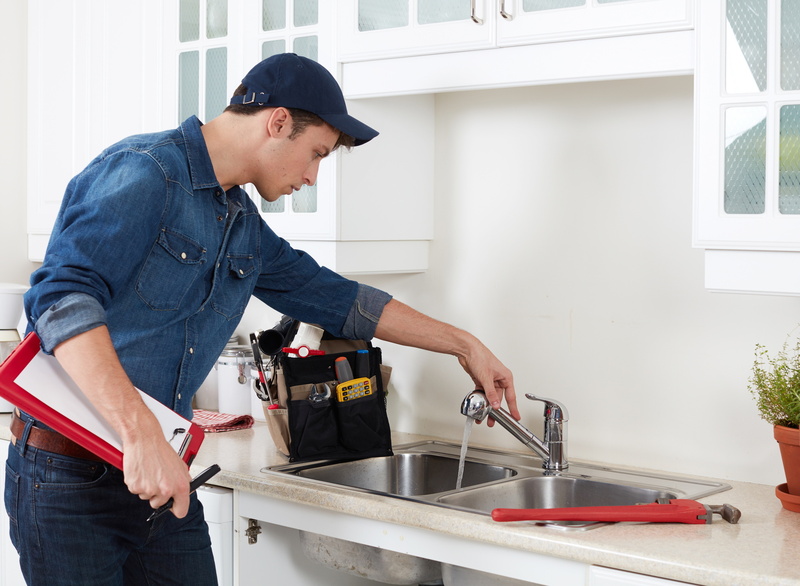
Bathroom Remodeling Ideas With Practical Plumbing Solutions

A bathroom remodel can bring greater comfort, functionality, and visual appeal to an essential part of the home. Thoughtful improvements can make daily routines easier while creating a space that feels fresh, organized, and welcoming. Combining attractive design ideas with practical plumbing solutions helps ensure that every upgrade supports lasting convenience.

Refresh The Layout

A well-planned bathroom layout can improve movement and make better use of available space. Before selecting fixtures, consider how sinks, showers, toilets, storage areas, and other features can work together.

  • Improve fixture placement
  • Create comfortable pathways
  • Increase usable floor space
  • Organize essential features
  • Enhance everyday accessibility

A practical layout can make the entire room feel more open while allowing each fixture to serve its purpose efficiently.

Upgrade Water Fixtures

Modern fixtures can provide a fresh appearance while supporting convenient water use. Replacing older faucets, shower fixtures, and other components can give the bathroom a renewed feel.

Plumbers Hopkinsville KY

Popular improvements include:

  • Stylish sink faucets
  • Comfortable shower fixtures
  • Updated toilet designs
  • Efficient water controls
  • Modern fixture finishes
  • Convenient handheld showers

Professional plumbing guidance can help ensure new fixtures are properly connected and positioned for dependable performance.

Improve Shower Comfort

The shower area often becomes a central feature during remodeling. Thoughtful plumbing improvements can create a relaxing environment while making everyday use more convenient.

Consider adding:

  • Adjustable showerheads
  • Handheld shower options
  • Convenient control placement
  • Improved water pressure
  • Easy-to-clean fixtures
  • Comfortable shower layouts

Working with a skilled hopkinsville plumber during the planning process can help coordinate plumbing requirements with the desired bathroom design.

Enhance Drainage Performance

Effective drainage is essential for a comfortable bathroom. Remodeling provides an excellent opportunity to inspect existing drain lines and improve their overall functionality.

Helpful drainage improvements include:

  • Thorough drain cleaning
  • Updated drain covers
  • Proper fixture connections
  • Improved drainage flow
  • Careful pipe inspections
  • Accessible maintenance points

These upgrades can support smoother water movement and contribute to a cleaner, more enjoyable bathroom environment.

Add Practical Plumbing Features

Small plumbing improvements can make a significant difference in daily convenience. During remodeling, homeowners can consider upgrades that complement both appearance and functionality.

Useful additions may include:

  • Additional water outlets
  • Improved supply connections
  • Updated shutoff valves
  • Better fixture spacing
  • Convenient plumbing access
  • Reliable pipe connections

Plan For Lasting Comfort

A successful bathroom remodel balances appearance with practical performance. Selecting suitable fixtures, organizing the layout carefully, and addressing plumbing needs during the renovation can create a space that remains comfortable and functional.

With thoughtful planning and professional attention, homeowners can enjoy:

  • Smoother daily routines
  • Better fixture performance
  • Improved bathroom organization
  • Greater long-term convenience
  • A refreshed living space
  • Reliable plumbing functionality

Combining attractive remodeling ideas with dependable plumbing solutions creates a bathroom that feels inviting while supporting the practical needs of everyday household life.

Focused Beams Provide Accent Lighting For Selected Architectural Features

Focused beams can bring attention to carefully selected architectural features by directing illumination precisely where it creates the greatest visual interest. Narrower beam angles concentrate light into smaller areas, making them useful for highlighting textures, artwork, niches, columns, and distinctive structural details.

Highlighting Architectural Details

Accent lighting can create visual hierarchy by giving selected surfaces greater emphasis than surrounding areas. This approach adds depth and character while allowing important design elements to become attractive focal points.

  • Highlight textured walls and decorative surfaces.
  • Emphasize columns and structural details.
  • Illuminate recessed niches and alcoves.
  • Draw attention to distinctive ceiling features.
  • Showcase carefully selected decorative elements.

Selecting Suitable Beam Angles

Beam angle determines how widely light spreads from a fixture. Narrow beams generally create concentrated highlights, while wider beams provide broader coverage, making beam selection an important part of focused architectural lighting.

  • Choose narrow beams for small focal areas.
  • Use medium beams for moderately sized features.
  • Consider wider beams for larger surfaces.
  • Match beam spread with target dimensions.
  • Review fixture specifications before installation.

Creating Attractive Wall Accents

Focused illumination can reveal the character of wall materials by emphasizing their shape, texture, and surface variation. Careful positioning helps create a balanced highlight that complements the surrounding lighting.

  • Accentuate textured wall finishes.
  • Highlight decorative panels.
  • Reveal subtle surface patterns.
  • Create gentle visual depth.
  • Position fixtures for balanced coverage.

Enhancing Artwork and Displays

A focused beam can help individual objects receive intentional attention without requiring broad illumination throughout the surrounding area. This makes directional lighting useful for displays, framed artwork, sculptures, and decorative installations.

  • Direct light toward important visual features.
  • Use suitable beam widths for object size.
  • Position fixtures to reduce unwanted reflections.
  • Keep illumination visually balanced.
  • Adjust aiming when displays change.

Supporting Layered Lighting

Focused accent beams work effectively as one layer within a complete lighting arrangement. Combining accent illumination with general and task lighting can provide both practical visibility and attractive visual emphasis.

  • Use broad illumination for overall brightness.
  • Add focused beams for selected features.
  • Maintain comfortable surrounding light levels.
  • Separate accent zones when practical.
  • Adjust intensity according to the desired atmosphere.

Choosing the Right Fixture Position

Fixture placement affects the size, intensity, and direction of the illuminated area. A carefully positioned light can emphasize a feature naturally while helping maintain a comfortable and cohesive visual effect.

  • Consider mounting height before selection.
  • Check the distance between fixture and target.
  • Aim beams toward the intended focal point.
  • Keep nearby surfaces in the overall composition.
  • Test positioning before final installation.

Combining Focus With Design Flexibility

Adjustable fixtures provide useful flexibility because their direction can be changed as decorative arrangements or architectural priorities evolve. This makes focused lighting suitable for spaces that may receive updated artwork, furnishings, or displays.

  • Select aimable fixtures when flexibility matters.
  • Reposition beams for changing displays.
  • Adjust coverage as furnishings develop.
  • Maintain consistent visual balance.
  • Use adaptable lighting for evolving spaces.

Exploring Pinlight and Downlight Options

Different directional fixtures can create distinct lighting effects depending on their beam characteristics and intended application. Understanding these differences helps match the fixture to the architectural feature being emphasized. A helpful reference is https://www.wosenled.com/pinlight-vs-downlight-how-to-choose-the-right-lighting-for-your-space/.

  • Compare beam width with target size.
  • Consider the desired visual emphasis.
  • Review fixture placement requirements.
  • Match illumination with surrounding light.
  • Select designs that complement the architecture.

Focused beams provide an effective way to celebrate selected architectural features while adding depth, definition, and visual interest. By combining suitable beam angles, thoughtful positioning, adaptable fixtures, and layered illumination, architectural details can receive purposeful emphasis while contributing to a polished overall lighting experience.

Floating Bridge Structures Connecting Communities across Waterways

Floating bridges offer an innovative way to create reliable connections where conventional foundations may be difficult to establish. By using buoyant pontoons or floating platforms to support a bridge deck, these structures can cross broad or deep waterways while reducing dependence on extensive seabed foundations. Their adaptable design can support transportation, accessibility, and stronger connections between communities.

Buoyancy Creates Strong Structural Support

The foundation of a floating bridge is its ability to use water displacement for support. Pontoons provide upward buoyant forces while the bridge deck distributes loads across connected structural elements. Modern engineering considers traffic, wind, waves, currents, and other environmental effects when developing these systems.

  • Balanced buoyancy supports stability
  • Connected pontoons distribute loads
  • Flexible sections accommodate movement
  • Deck systems provide continuous access
  • Anchoring helps maintain alignment

Modular Designs Encourage Efficient Connections

Many floating bridge concepts use multiple sections that can be assembled into a continuous crossing. Modular construction can simplify transportation, positioning, installation, and future adjustments. This flexibility makes floating structures useful for projects requiring adaptable waterway access.

Key advantages include:

  • Repeatable structural modules
  • Efficient assembly processes
  • Adaptable bridge lengths
  • Simplified component replacement
  • Flexible configuration options
  • Practical maintenance access

Engineering Supports Reliable Movement

A successful floating bridge must respond effectively to changing environmental conditions. Engineers evaluate how buoyancy, structural stiffness, wave action, water currents, and moving loads interact. Research increasingly combines analytical methods, physical testing, and advanced assessment techniques to understand these dynamic responses.

Supporting Community Accessibility

A well-designed crossing can improve movement between areas separated by water. Floating bridges can create useful routes for vehicles, pedestrians, service activities, and other forms of transportation. Their ability to span challenging waterways can contribute to improved accessibility and more connected communities.

Important community benefits include:

  • Shorter practical travel routes
  • Improved daily accessibility
  • Greater transportation flexibility
  • Better connections between districts
  • Support for local movement
  • Expanded access opportunities

Modern Floating Solutions Encourage Innovation

Contemporary floating bridge research explores structural arrangements, hydrodynamic behavior, environmental loading, and improved construction approaches. Continuous development can support stronger, more adaptable designs while encouraging efficient use of materials and construction resources.

For readers exploring broader waterfront connection concepts, https://www.hiseadock.com/waterfront_solutions/floating-bridge/ provides an additional reference point for understanding floating bridge solutions.

Building Connected Waterway Networks

Floating bridge structures demonstrate how buoyancy, modular engineering, and thoughtful structural planning can work together to create valuable crossings. With careful design and environmental assessment, these systems can provide durable access while adapting to demanding water conditions. Their combination of flexibility, connectivity, and engineering innovation makes floating bridges an inspiring approach to strengthening transportation links across waterways.

Understanding Beverage Portions Across Popular Starbucks Cup Sizes

Choosing a beverage portion becomes easier when cup sizes are understood clearly. Different serving levels can suit different thirst levels, drinking habits, and beverage preferences. Knowing how portions vary helps create a comfortable and enjoyable experience, whether someone prefers a compact drink or a generous serving.

Exploring Common Cup Size Categories

Cup sizes generally move from smaller portions to larger servings, giving customers flexibility according to their needs. Each level can offer a different balance of convenience, refreshment, and drinking duration.

  • Small portions are suitable for lighter refreshment needs.
  • Medium portions provide a balanced everyday serving.
  • Large portions offer additional volume for extended enjoyment.
  • Extra-large servings can suit occasions requiring more beverage quantity.

Understanding Smaller Beverage Portions

Smaller servings are ideal for people who prefer controlled portions or enjoy beverages gradually. They can also complement meals without becoming the primary focus of the dining experience.

  • Convenient for shorter beverage breaks.
  • Suitable for lighter thirst levels.
  • Easy to finish without excessive volume.
  • Works well with concentrated or flavor-rich beverages.

Enjoying Medium-Sized Servings

Medium portions often provide a comfortable balance between quantity and convenience. They can work particularly well for everyday beverages because they provide enough volume while remaining easy to carry and enjoy.

  • Offers a satisfying middle-ground portion.
  • Suitable for moderate thirst.
  • Pairs comfortably with meals and snacks.
  • Provides enough volume for relaxed sipping.

Making the Most of Larger Portions

Larger cups provide more beverage volume and can be useful when people expect to enjoy their drink for a longer period. They are especially appealing when refreshment is intended to last throughout an activity or break.

  • Provides extended beverage enjoyment.
  • Suitable for stronger thirst levels.
  • Offers additional room for chilled beverages and ice.
  • Works well for longer drinking occasions.

Matching Portions With Beverage Types

The ideal portion can also depend on the characteristics of the beverage. Coffee, tea, chilled drinks, blended beverages, and refreshing fruit-based options can each create different preferences around serving volume.

  • Coffee drinks can suit smaller or medium portions.
  • Milk-based beverages can feel satisfying in moderate servings.
  • Iced beverages can benefit from additional cup capacity.
  • Blended drinks can be enjoyed according to preferred richness and volume.

Choosing According to Personal Preference

Personal habits play an important role in selecting the right cup. A helpful reference such as https://www.yoonpak.com/starbucks-cup-sizes-guide/ can make it easier to understand how named cup categories correspond to different beverage portions.

  • Consider your thirst before selecting a size.
  • Think about how quickly you normally finish a drink.
  • Match the serving to the length of your break.
  • Choose a portion that feels comfortable and satisfying.

Creating a More Enjoyable Beverage Experience

Understanding portions removes uncertainty from beverage selection and makes ordering more convenient. Whether someone prefers a smaller serving for a quick refreshment or a larger one for longer enjoyment, having several choices supports different preferences.

  • Smaller portions offer simplicity and convenience.
  • Medium servings provide everyday versatility.
  • Larger portions support extended refreshment.
  • Flexible choices make beverage experiences more personalized.

Conclusion

Understanding cup sizes helps people select beverages with greater confidence. By considering thirst, drink type, drinking pace, and occasion, each person can choose a portion that matches their preferences. A clear understanding of beverage quantities makes every serving feel more comfortable, convenient, and enjoyable.

Choosing Suitable Pouch Styles For Various Applications

Flexible packaging offers many practical formats designed to match different products, handling needs, and presentation goals. Understanding the available pouch styles makes it easier to select packaging that supports convenience, storage, and attractive product presentation. Exploring https://www.bsflexpack.com/different-types-of-pouches/ can also provide useful inspiration when comparing different pouch structures.

Stand-Up Pouches For Convenient Storage

Stand-up pouches feature a bottom gusset that allows them to remain upright when filled. This structure provides excellent shelf visibility while making storage convenient. They are commonly suitable for snacks, coffee, dry fruits, powders, pet food, and various household products.

Key advantages include:

  • Upright presentation on shelves
  • Convenient storage and handling
  • Options for resealable closures
  • Flexible sizing for different products

The addition of a zipper can make stand-up pouches especially useful for products that are opened and used over several occasions.

Flat-Bottom Pouches For Stable Presentation

Flat-bottom pouches combine a structured base with flexible side panels. Their box-like appearance creates strong stability and provides multiple surfaces for product information and attractive designs.

These pouches work particularly well for:

  • Coffee and specialty beverages
  • Granola and premium snacks
  • Pet food
  • Dry ingredients
  • Specialty food products

Their sturdy base also supports organized storage while creating a polished appearance.

Side-Gusseted Pouches For Larger Quantities

Side-gusseted pouches expand through folded side panels, allowing them to accommodate products with greater volume. This makes them useful for coffee, grains, powders, pet food, and other products that benefit from additional capacity.

The flexible sides can provide efficient use of storage space while maintaining a practical overall shape. Their larger surface area also creates opportunities for clear product information and appealing packaging designs.

Spouted Pouches For Easy Dispensing

Spouted pouches are designed with a built-in opening that supports controlled pouring or dispensing. They are particularly suitable for liquid and semi-liquid products such as sauces, beverages, purees, personal care products, and household refills.

Important features can include:

  • Easy pouring
  • Controlled dispensing
  • Resealable closures
  • Convenient everyday handling

This format can make liquid products easier to store and use.

Three-Side-Seal Pouches For Compact Packaging

Three-side-seal pouches have a simple, flat construction that makes them suitable for compact products and single-use portions. They can be used for samples, spices, powders, snacks, and other lightweight items. Their streamlined structure supports efficient filling, transportation, and storage while maintaining a neat appearance.

Selecting The Right Pouch Style

The ideal pouch depends on the product’s physical characteristics, quantity, dispensing requirements, storage conditions, and intended customer experience. Stand-up formats emphasize visibility, flat-bottom styles provide stability, gusseted structures support volume, and spouted designs improve dispensing convenience. By matching pouch construction with practical product requirements, businesses can create packaging that supports functionality, attractive presentation, and convenient everyday use.

Comparing Valve Functions Clarifies Automation And Regulation Requirements

Selecting a valve according to its intended function can improve automation, operational consistency, and process control. Actuated valves and control valves both support efficient fluid handling, yet their operating roles differ. Understanding these distinctions helps engineers identify whether a system needs decisive movement between positions or continuous adjustment for changing process conditions. A detailed comparison is available at https://www.vincervalve.com/actuated-valve-vs-control-valve/.

Understanding Actuated Valve Functions

An actuated valve combines a valve body with an external actuator that converts an energy source into mechanical movement. This arrangement supports automated operation and reduces the need for manual intervention during routine processes.

  • Supports automated opening and closing.
  • Enables remote valve operation.
  • Can provide rapid positional changes.
  • Reduces repetitive manual operation.
  • Supports dependable process isolation.

Understanding Control Valve Functions

Control valves are designed for continuous regulation of fluid flow. They can adjust the passage gradually in response to control signals, helping maintain desired flow, pressure, or temperature conditions with precise adjustments.

  • Supports gradual flow adjustment.
  • Helps regulate changing process conditions.
  • Enables precise control of fluid movement.
  • Responds to control signals.
  • Supports stable operating conditions.

Comparing Operating Requirements

The main difference becomes clear when considering how much adjustment a process requires. Actuated valves are commonly associated with on/off functions, while control valves are designed for continuous modulation across a wider operating range.

  • On/off service benefits from actuated operation.
  • Continuous regulation benefits from control valves.
  • Frequent adjustment favors modulation capability.
  • Remote operation can simplify automated processes.
  • Defined operating positions support straightforward control.

Response And Automation Benefits

Response characteristics also influence valve selection. Actuated arrangements can provide quick movement when a process requires decisive positioning, while control valves prioritize controlled, incremental changes that support stable regulation.

  • Fast movement supports automated sequencing.
  • Gradual adjustment supports precise regulation.
  • Remote signals can simplify operation.
  • Automated positioning improves consistency.
  • Suitable actuation supports efficient process management.

Matching Valves To Process Conditions

Valve selection becomes more effective when operating requirements are considered together. Pressure, flow variation, environmental conditions, desired precision, and automation needs can all help determine the appropriate functional approach.

  • Assess required flow characteristics.
  • Consider pressure and temperature conditions.
  • Identify the required control precision.
  • Review available actuation energy.
  • Evaluate operating frequency and environment.

Supporting Efficient System Design

A clear understanding of valve functions can simplify engineering decisions and encourage better integration within automated processes. Matching the valve function to the actual process requirement can support reliable operation, efficient control, and consistent performance.

  • Define the primary process objective.
  • Select appropriate movement characteristics.
  • Match actuation to operating demands.
  • Consider maintenance accessibility.
  • Allow room for future automation needs.

Creating Reliable Regulation Strategies

Comparing valve functions provides a practical foundation for developing effective fluid-control arrangements. Actuated valves can support automated positioning and isolation, while control valves can provide continuous regulation where changing conditions require precise adjustment. Understanding these complementary capabilities helps create organized systems with dependable automation, responsive operation, and efficient fluid management.

Player Journeys Begin With Clear Gaming Platform Resources

A strong gaming journey begins when players can quickly understand how to access useful resources. Clear information can make registration, account setup, navigation, and game participation feel simple from the first step. When important resources are organized thoughtfully, players can spend more time exploring features and building enjoyable experiences. A well-structured access system also helps players understand available options while creating a smoother path from introduction to regular participation.

Simple Access Creates Confidence

Players benefit from straightforward guidance that explains what to expect at each stage. Easy-to-follow resources can reduce confusion and make essential actions feel more natural.

  • Clear registration guidance
  • Simple account instructions
  • Organized resource sections
  • Easy navigation pathways
  • Helpful access information
  • Visible account options

When information is presented logically, players can move through each stage with greater confidence. Account systems can also support continuity by helping players maintain access to their progress and preferences across supported experiences.

Resources Support Every Stage

Useful gaming resources should serve players beyond the initial sign-in process. A complete journey can include account management, profile settings, progress information, security guidance, and helpful support materials.

  • Account management resources
  • Profile customization options
  • Progress tracking guidance
  • Security recommendations
  • Recovery information
  • Preference management tools
  • General support resources
  • Clear help instructions

These resources give players practical ways to understand their available choices. Clear account recovery options are particularly valuable because they can help maintain continuity when players change devices or need to restore access.

Dedicated Resources Improve Navigation

A dedicated resource structure can make important information easier to locate. Instead of searching through unrelated sections, players can follow clearly arranged pathways that match their needs.

  • Getting-started guidance
  • Login assistance
  • Account settings
  • Progress information
  • Access instructions
  • Security reminders
  • Frequently needed answers
  • Helpful troubleshooting details

Well-arranged resources also create a more consistent experience. When every section follows a recognizable structure, players can quickly understand where to find information and what action to take next.

Strong Systems Encourage Better Journeys

Behind a smooth experience, reliable account and access management can connect players with the resources they need. A well-organized VBlink Backend can represent the type of supporting structure that helps keep player access, account information, and available resources coordinated.

Useful supporting features can include:

  • Consistent account access
  • Organized player information
  • Smooth resource coordination
  • Clear authentication pathways
  • Convenient account recovery
  • Structured progress support
  • Reliable access management

Clear Information Builds Positive Experiences

Every gaming journey becomes easier when players can understand available resources without unnecessary complexity. Clear instructions, organized sections, accessible account controls, and helpful guidance can create a welcoming foundation for continued participation.

  • Faster understanding
  • Easier navigation
  • Greater convenience
  • Better resource awareness
  • Smoother account management
  • Stronger continuity
  • More confident participation

With thoughtful resource organization, players can approach each stage with clarity and convenience. A positive journey begins with useful information, and well-presented gaming resources provide the foundation for an experience that feels accessible, organized, and rewarding from the first interaction onward.

Creative Styling Stations Bring Energy To Contemporary Grooming Spaces

Creative grooming interiors can feel more vibrant when styling areas combine attractive design with practical organization. Thoughtfully planned stations bring visual energy, support professional routines, and create an inviting atmosphere where clients can enjoy comfortable and engaging grooming experiences.

Create A Vibrant Interior Atmosphere

A well-designed styling area can become an appealing feature within a grooming environment. Balanced shapes, attractive finishes, and thoughtful arrangements help create a lively setting while maintaining a polished and welcoming appearance.

  • Distinctive designs add visual interest.
  • Refined finishes create an elegant impression.
  • Balanced layouts support an inviting atmosphere.
  • Coordinated elements create visual harmony.
  • Creative details bring personality to the space.

Encourage Smooth Styling Routines

Practical organization allows professionals to keep essential items accessible while maintaining an orderly working area. Functional arrangements can make everyday services feel more seamless and enjoyable for both professionals and clients.

  • Accessible storage keeps essentials within reach.
  • Organized surfaces support efficient preparation.
  • Spacious layouts allow comfortable movement.
  • Convenient arrangements simplify routine tasks.
  • Thoughtful placement supports consistent workflows.

Enhance Client Comfort

Salon Station

A comfortable styling environment can make each appointment feel more relaxed and enjoyable. When seating, mirrors, lighting, and surrounding elements work together, clients can appreciate a pleasant experience from the beginning of their service.

  • Comfortable seating encourages relaxation.
  • Clear mirror placement improves convenience.
  • Balanced lighting supports a pleasant atmosphere.
  • Spacious surroundings create a sense of ease.
  • Attractive details make appointments more enjoyable.

Add Personality Through Creative Design

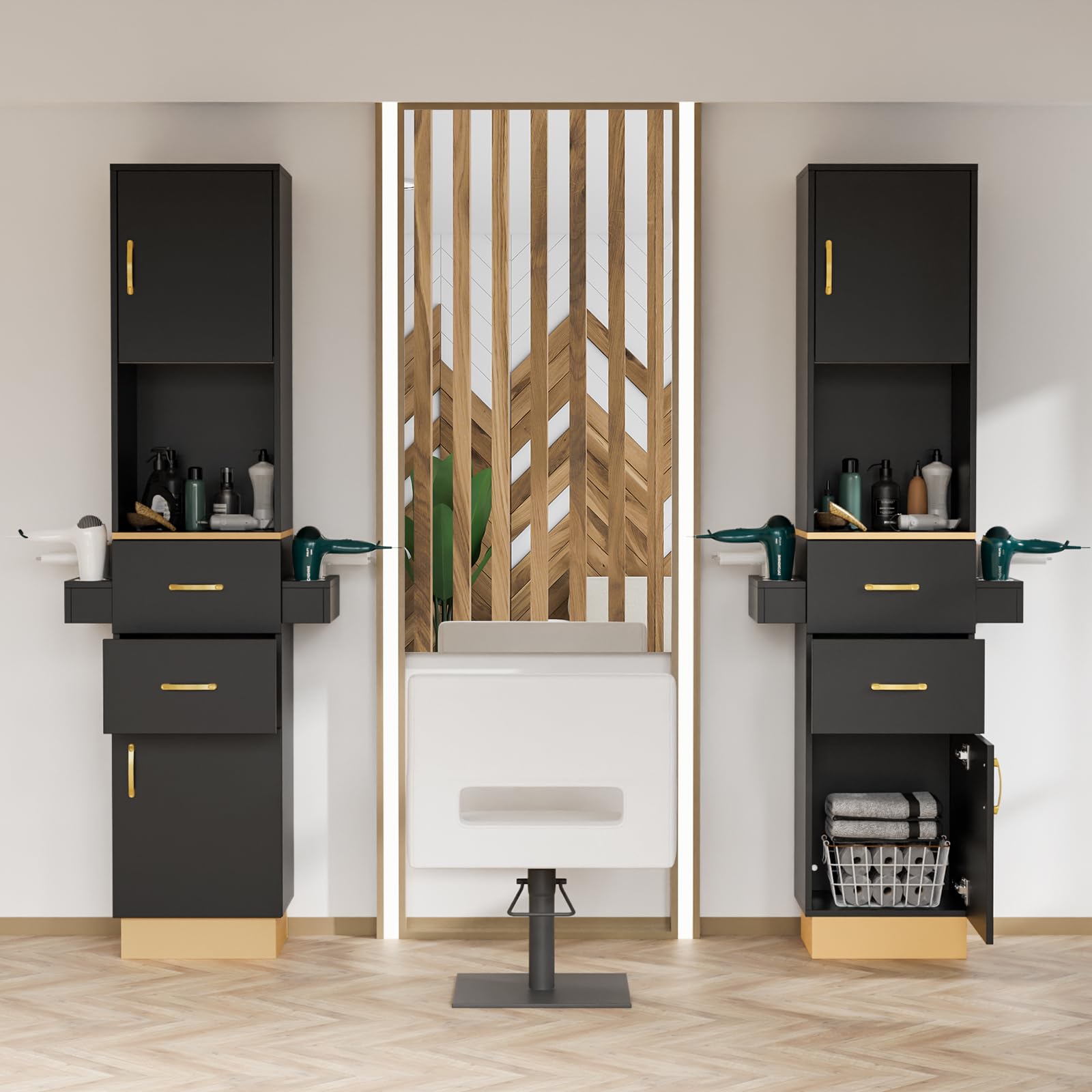
A stylish Salon Station can introduce character while complementing the broader grooming interior. Creative shapes, elegant surfaces, and carefully selected details can establish a distinctive appearance without compromising everyday practicality.

  • Unique silhouettes create memorable visual appeal.
  • Decorative details add personality.
  • Harmonious finishes strengthen the overall design.
  • Versatile elements support different interior themes.
  • Thoughtful styling creates an elevated impression.

Support Better Organization

Effective organization helps maintain a clean and professional appearance throughout the day. Integrated storage and purposeful layouts allow frequently used supplies to remain conveniently arranged while keeping surfaces visually uncluttered.

  • Built-in compartments improve storage efficiency.
  • Dedicated spaces help organize supplies.
  • Clear surfaces create a neat appearance.
  • Practical storage encourages easy access.
  • Structured layouts support daily consistency.

Improve Professional Presentation

A polished styling area can strengthen the overall presentation of grooming services. When every element looks coordinated and thoughtfully arranged, the environment communicates care, attention to detail, and professionalism.

  • Refined designs create a sophisticated setting.
  • Coordinated furniture supports visual consistency.
  • Clean arrangements promote professionalism.
  • Attractive surroundings enhance service presentation.
  • Thoughtful details create a premium feel.

Bring Energy Into Everyday Grooming

Creative styling areas can transform ordinary routines into engaging experiences by combining visual appeal, comfort, and functionality. A thoughtfully arranged environment supports efficient services while giving clients a welcoming space to relax and enjoy their appointments.

  • Dynamic designs create an uplifting atmosphere.
  • Functional features support smooth daily routines.
  • Comfortable arrangements encourage positive experiences.
  • Organized spaces make services feel seamless.
  • Stylish details keep interiors fresh and inviting.

Creative Promotion Strategies Help Increase Visibility And Engagement

Strong promotional efforts create valuable opportunities for businesses to connect with audiences, strengthen awareness, and encourage meaningful interactions. Well-planned campaigns support growth by attracting attention, building trust, and inspiring long-term engagement. Strategic communication combined with creativity can help businesses stand out while delivering consistent value to their target audience.

Building A Strong Promotional Foundation

A successful promotional strategy begins with clear goals and a deep understanding of audience interests. Consistent messaging and creative presentation help create memorable experiences that encourage people to engage more frequently.

Key Elements Of A Strong Foundation

  • Define clear promotional objectives.
  • Understand audience preferences and behaviors.
  • Maintain consistent messaging across campaigns.
  • Focus on delivering value through communication.
  • Use creative ideas that support long-term growth.

Creating Engaging Content Experiences

Content plays a significant role in attracting attention and encouraging participation. Creative and informative content helps audiences stay interested while strengthening the connection between businesses and potential customers.

Effective Content Approaches

  • Share educational and helpful information.
  • Highlight positive customer experiences.
  • Use compelling visuals and storytelling techniques.
  • Develop content that encourages interaction.
  • Refresh promotional materials regularly.

Leveraging Creative Campaign Ideas

Innovative campaigns can generate excitement and motivate audiences to engage with promotional activities. Unique concepts often increase visibility by encouraging conversations and sharing among interested individuals.

Campaign Strategies That Drive Results

  • Launch themed promotional initiatives.
  • Create interactive challenges and activities.
  • Offer valuable incentives and rewards.
  • Encourage audience participation through feedback.
  • Introduce fresh concepts that spark curiosity.

Strengthening Audience Relationships

Building lasting relationships is essential for maintaining engagement over time. Consistent communication and personalized experiences help audiences feel appreciated and connected to a business.

Ways To Enhance Relationships

  • Respond promptly to audience interactions.
  • Provide useful updates and information.
  • Recognize customer contributions and support.
  • Encourage ongoing conversations and feedback.
  • Focus on creating positive experiences.

One effective approach involves combining creativity with strategic planning. Businesses that continuously refine their promotional efforts often experience stronger engagement levels and improved visibility. Approaches inspired by CARAMBA Media demonstrate how thoughtful communication can support meaningful audience connections and sustainable growth.

Measuring And Improving Promotional Performance

Monitoring results helps identify successful tactics and areas for improvement. Regular evaluation ensures promotional efforts remain relevant and effective while supporting future growth opportunities.

Important Performance Considerations

  • Track engagement and interaction levels.
  • Evaluate audience response to campaigns.
  • Identify high-performing promotional activities.
  • Adjust strategies based on collected insights.
  • Continuously seek opportunities for improvement.

Long-Term Benefits Of Creative Promotion

Creative promotion provides lasting advantages that extend beyond immediate visibility. Consistent efforts help strengthen recognition, increase audience loyalty, and encourage continued engagement.

Positive Outcomes Of Strategic Promotion

  • Greater visibility among target audiences.
  • Improved engagement and interaction rates.
  • Stronger customer relationships and trust.
  • Enhanced reputation and recognition.
  • Sustainable opportunities for future growth.

Creative promotion strategies remain a powerful way to increase visibility and engagement. By focusing on audience needs, delivering valuable content, encouraging participation, and continuously improving campaigns, businesses can create positive experiences that support lasting success and meaningful connections.