
Shelving for Retail Stores: Turning Space Into Strategy
Smart shelving does more than hold products — it shapes the way customers explore your store. Whether you run a boutique, lifestyle shop, or larger retail space, the right shelving arrangement helps guide the eye, highlight key merchandise, and create a sense of flow that feels intuitive and inviting. Effective fixtures support both aesthetics and functionality, making every square foot work harder.
How Shelving Defines Customer Pathways
When customers walk into a store, they notice the layout before they notice the price tags. Shelving that aligns with clear sightlines and accessible heights encourages exploration without overwhelming the shopper. Grouping merchandise at comfortable viewing levels — roughly eye to waist height — makes it easier for customers to interact with products.
Shelf placement also defines movement. Placing units parallel to the main entrance subtly directs visitors through curated zones, while perpendicular arrangements can break up large spaces into comfortable browsing “corridors.” These thoughtful patterns prevent aimless wandering and help customers find what they came for — and what they didn’t know they wanted.
Balancing Display and Accessibility
Shelving in retail should balance visibility with accessibility. Overstuffed shelves might seem efficient, but they can make browsing feel chaotic. Clean, well-paced arrangements let each item breathe and give customers the time they need to engage with merchandise. Use negative space intentionally, and vary shelf depths to support different product categories — deep shelves for shoes or accessories, shallower ones for small boxed items.
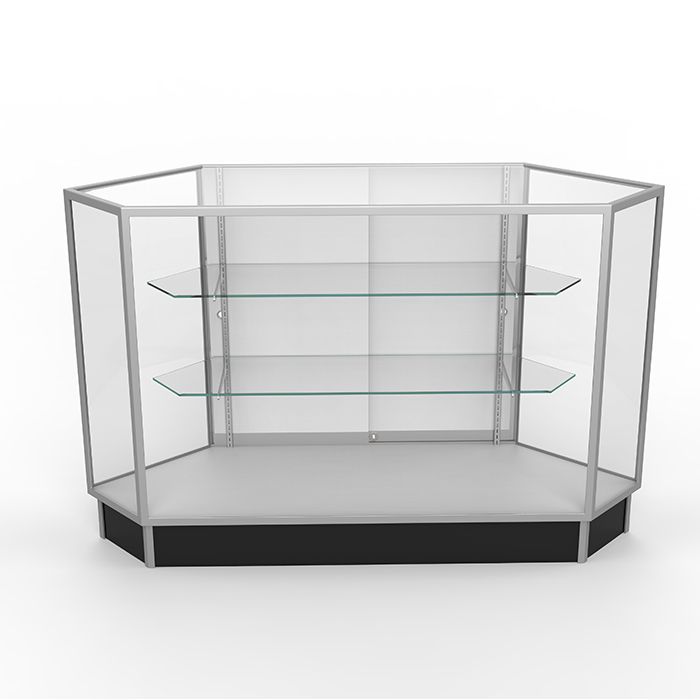
A well-placed shelving for retail stores system can turn a plain wall into a dynamic storytelling tool. By positioning bestsellers, seasonal highlights, or curated collections at strategic heights, you can capture attention quickly and guide browsing patterns effortlessly.
Selecting Materials That Match Your Brand
The visual impact of shelving also comes down to materials and finishes. Hardwood or warm wood grains convey quality and craftsmanship, while sleek metal and glass evoke a modern, minimalist aesthetic. Consistency in design elements strengthens brand identity — mismatched fixtures, even high quality ones, can make a store feel disjointed.
Consider how fixtures age. Hard-wearing surfaces, scratch-resistant finishes, and sturdy construction ensure that your shelving looks polished long after installation. Adjustable shelving with modular fittings gives you the agility to adapt displays as inventory changes.
Integrating Lighting for Better Presentation
Lighting plays a subtle but powerful role in enhancing shelf displays. Under-shelf LEDs or strategically placed spotlights soften shadows and bring out texture and color in the products you’re showcasing. Thoughtful illumination helps highlight key features like fabric weave or product labeling without creating harsh glare. A bright, well-lit shelf invites closer inspection — and longer interaction.
Refreshing Displays for Longevity
Shelving should feel fresh and relevant, not static. Regular rotation of featured items, color themes, and focal points keeps returning customers intrigued. Seasonal updates and thematic displays give your space a dynamic quality that encourages repeat visits. Keeping shelves clean and well-organized also maintains the professional look that makes customers trust your brand.
What seems like a simple fixture can be one of the most impactful elements of your store design. When approached strategically, shelving for retail stores does more than display merchandise — it enhances navigability, reinforces brand identity, and creates a shopping environment where customers feel comfortable, engaged, and inspired to explore. With the right balance of form and function, shelving becomes a foundation for retail success.